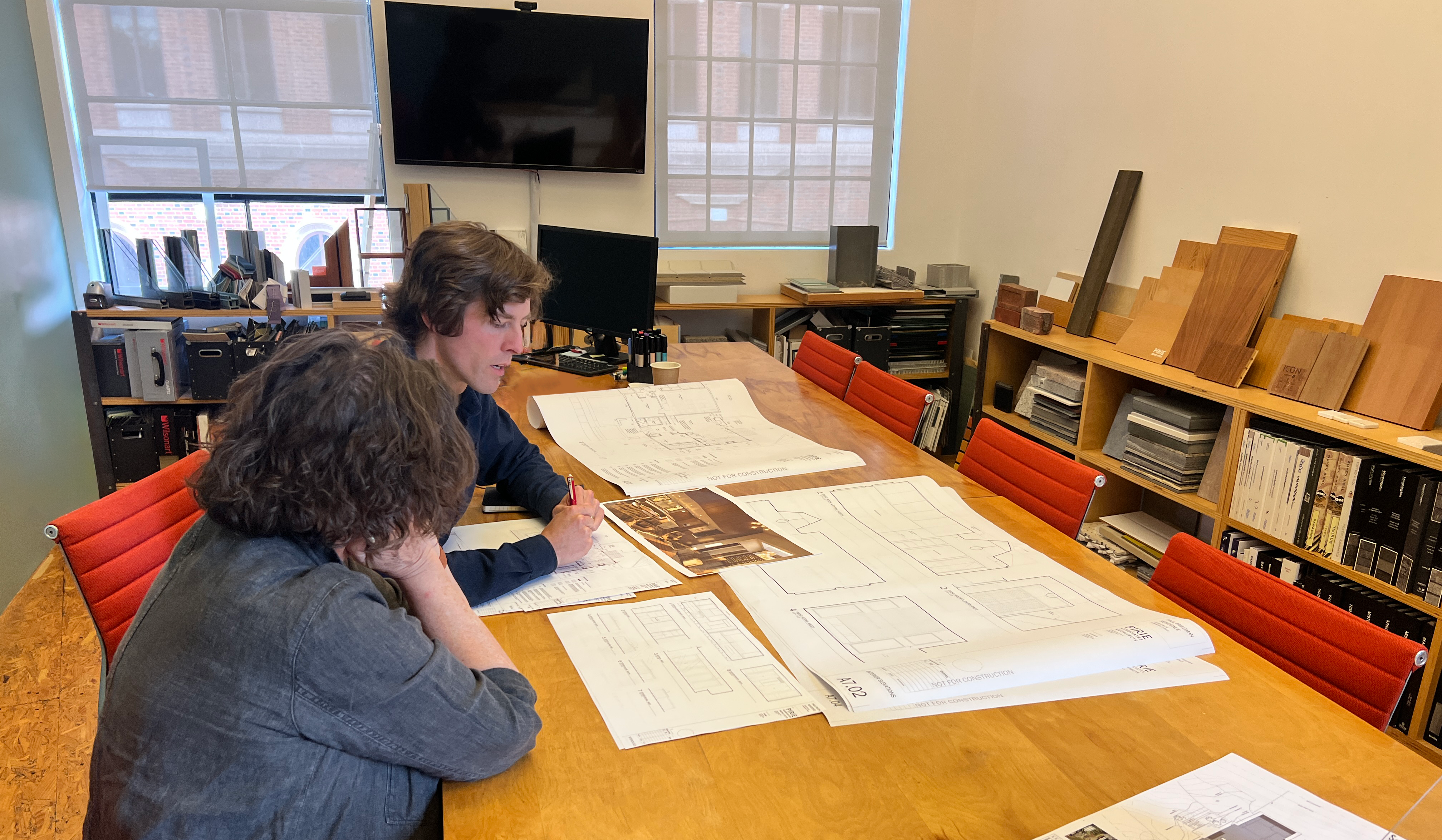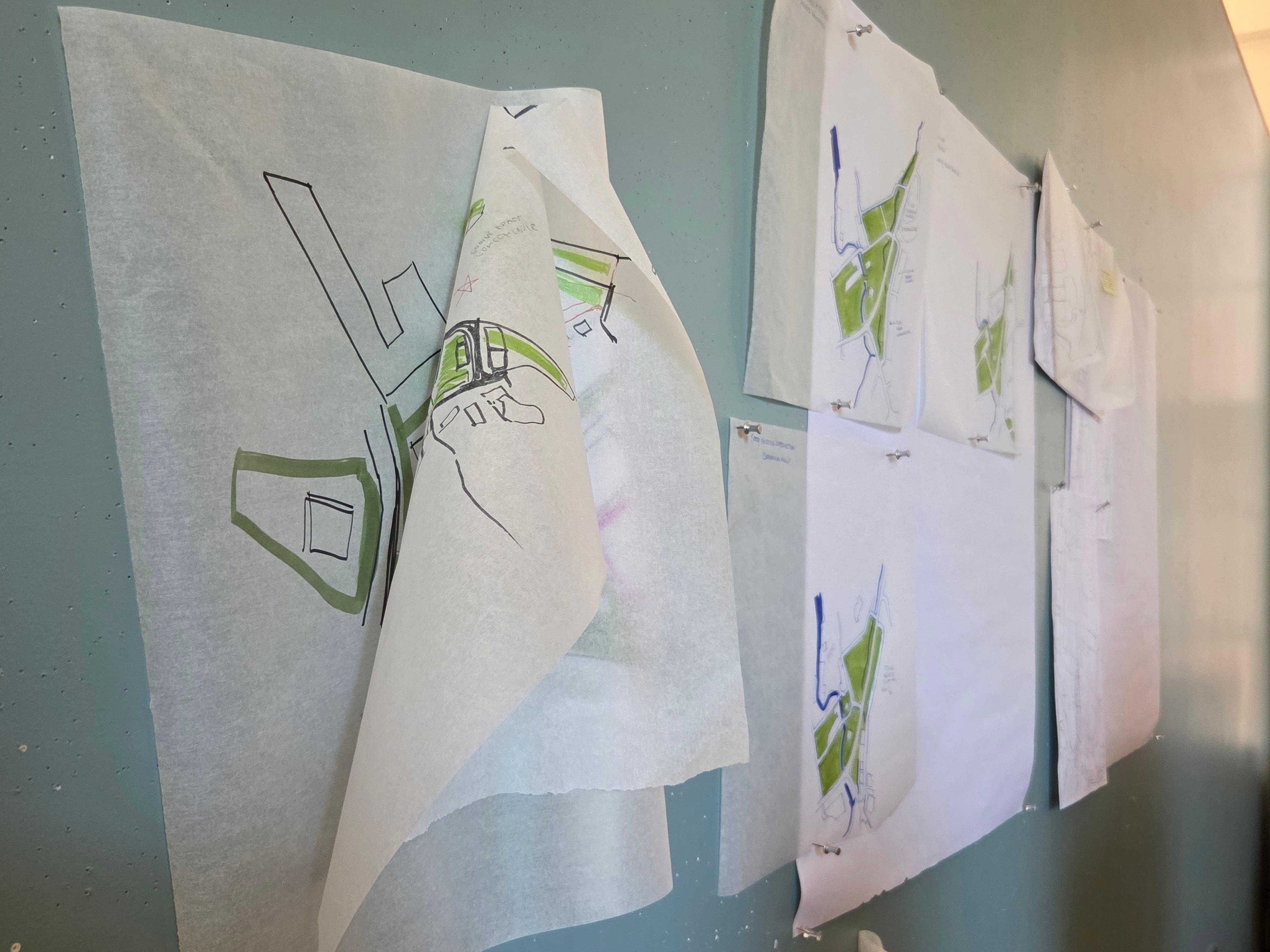


At the outset of any project, the questions your architect asks can be just as important as the answers you provide.
Thoughtful, strategic inquiry signals not only technical competence, but a commitment to understanding your organization at a deeper level. Life-cycle thinking (considering a project from initial concept through long-term use) requires an architect who is willing to engage beyond the surface and challenge assumptions in a productive way.
Some questions your architect should be asking are:
What are your mission, goals, and long-term aspirations?
At Pirie Associates, more than 80% of our clients return to work with us again. That continuity is not incidental. It reflects a design process rooted in relationship-building. Over time, we learn how to ask better, more tailored questions, and how to position early conversations to lead to thoughtful, right-sized solutions. For new clients, this means we bring a well-developed framework for pre-programming discussions that helps uncover what truly differentiates your organization.
What is your realistic budget? Are there areas where we can allocate budget to maximize long-term value?
While it can be tempting to prioritize the lowest initial cost, experienced clients recognize that strategic investments early in the process often yield significant returns over the life of the building. An architect’s role is not simply to stay within budget, but to help you understand where design, planning, and added services can position your project for future success. Asking the right questions at the outset can clarify what is essential today and avoid costly rework later.
What is your schedule, and how does it align with your broader objectives?
This extends beyond a simple completion date. Do you have a tenant or user already identified? Or does your project require early partnership-building? A well-informed architect will probe these dimensions to ensure that the design and delivery strategy supports the building and the outcome you need it to achieve.
How can we improve upon your past project experiences?
Drawing on past successes and lessons learned can sharpen decision-making and reduce uncertainty. This perspective is most valuable when it is filtered through experience and adapted to your specific context. If your previous project experienced gaps in planning, communication, or execution, these insights are crucial. An architect who listens carefully and responds with clarity can help transform those lessons into meaningful improvements.
Ultimately, life-cycle thinking is about more than designing a building; it is about shaping outcomes. The right questions, asked at the right times, can unlock value that extends far beyond construction. The first step toward achieving that potential is choosing an architect who recognizes that the building will serve you long after their work is completed.