

Set quietly within the rural landscape of East Haddam, the Palmer–Warner House stands as a layered record of Connecticut history.
Built in 1738 by John Warner and Mehitable Chapman Richarson on what was once a vast 1,000-acre property, the house was originally part of a working agricultural and blacksmithing homestead tied closely to early colonial life.
Over generations, the property passed through the Warner family before entering a new chapter in 1936, when preservation architect Frederic Palmer purchased the house with his mother. Following her passing, Palmer was joined by his life partner, Howard Metzger. Together, they shaped the property into something far more unique than a simple colonial homestead.
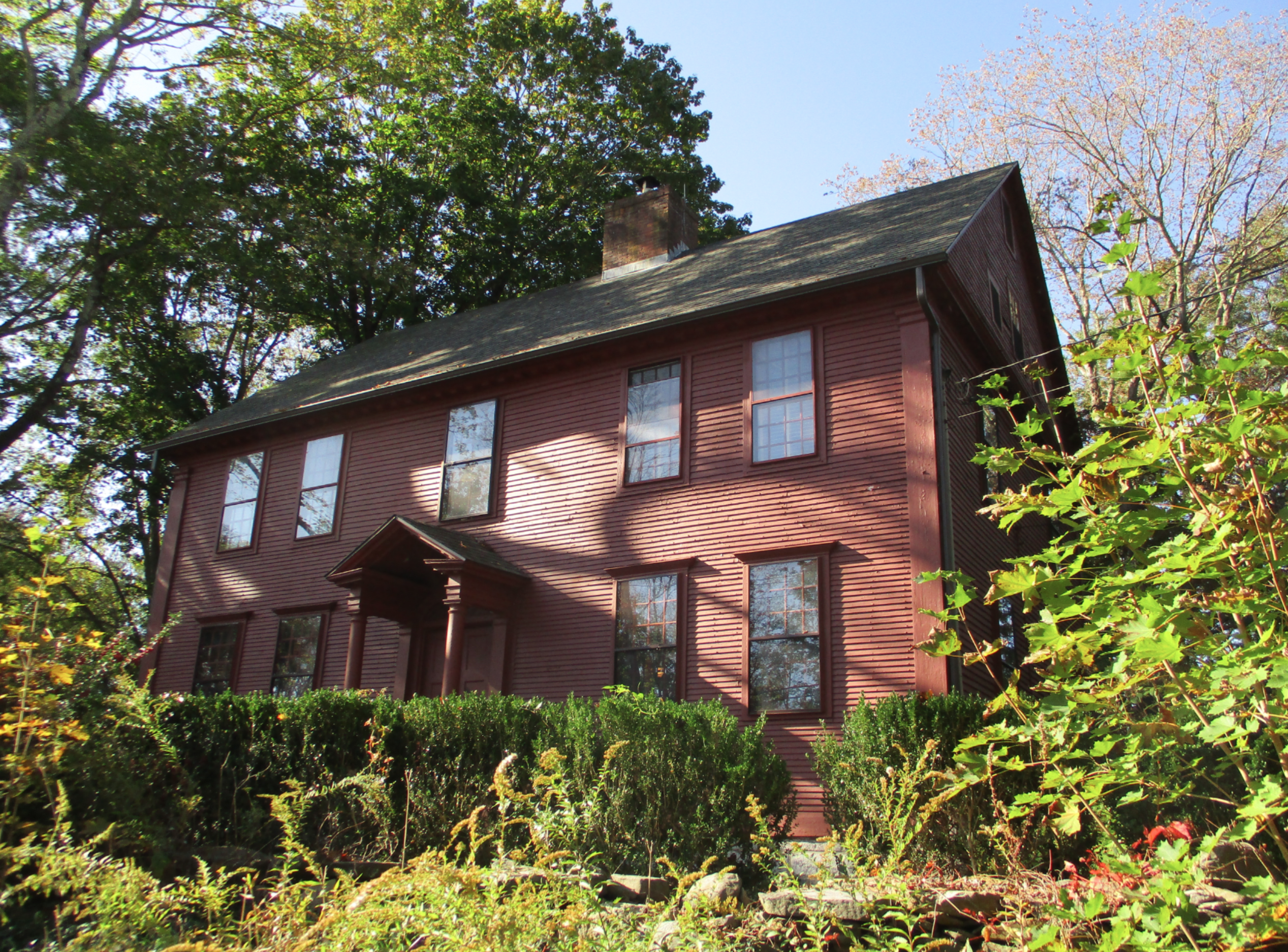
(c) Pirie Associates Architects, Palmer-Warner House, Connecticut Landmarks
REFUGE & BELONGING
In a time when visibility for same-sex couples was constrained by societal norms, Palmer and Metzger cultivated a private world that offered something rare and essential: belonging. Their home became a quiet but powerful refuge for the LGBTQ+ community. Friends, creatives, and visitors were invited into an environment where they could live authentically, often for extended stays, finding freedom and connection far from urban centers.
This history of refuge is central to how we understand it today.
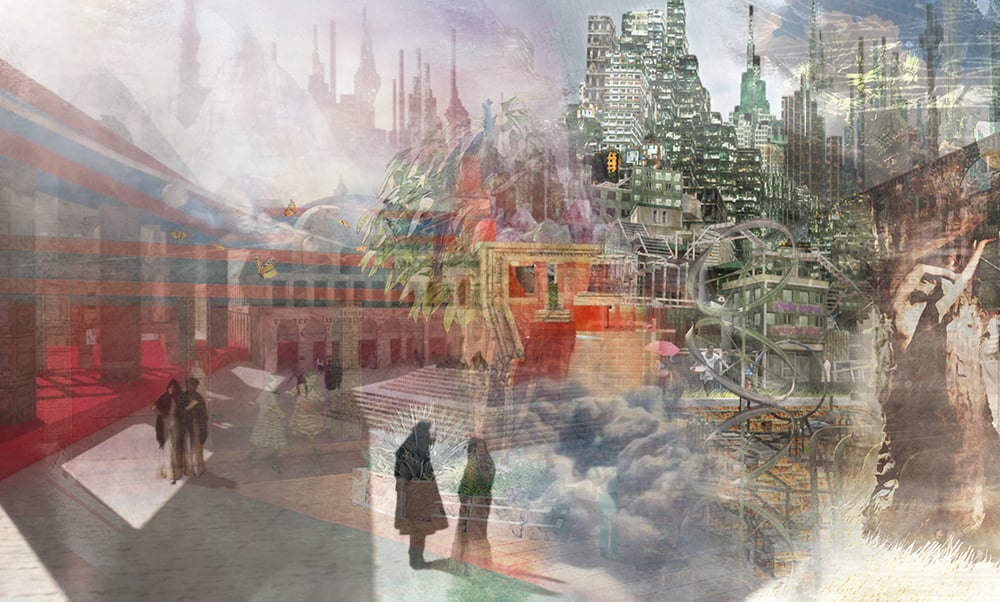
At Pirie Associates, our work with Connecticut Landmarks on the Palmer–Warner House builds from this legacy of care and inclusion. The physical environment itself reveals the story. A series of thresholds across the site gently differentiates public and private realms. Moving from open landscape to garden, from exterior to interior, this progression and the transition to safety is not only symbolic but spatially experienced to echo the lived realities of those who once sought comfort and community here.
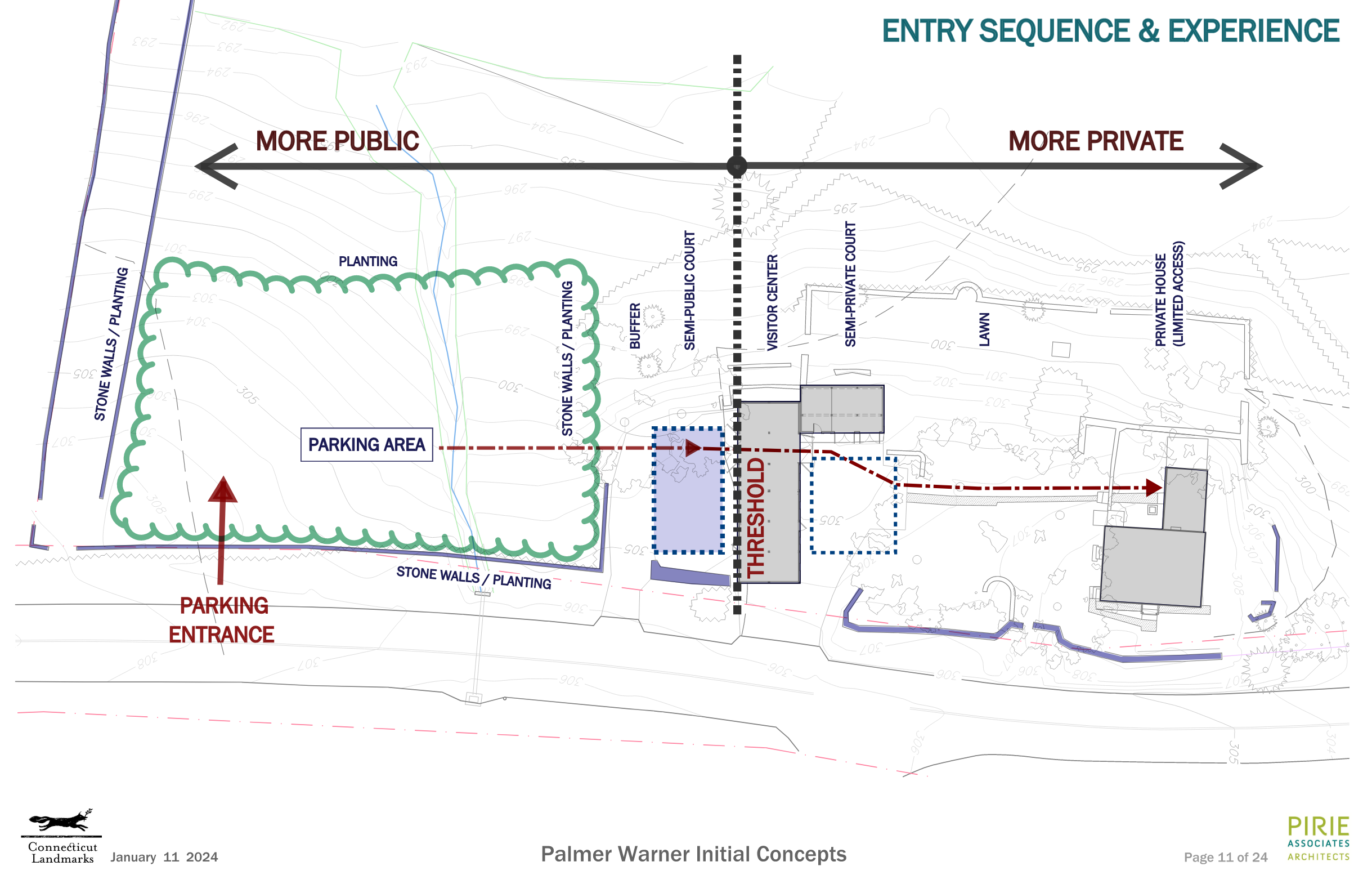
(c) Pirie Associates Architects, Palmer-Warner House, Connecticut Landmarks
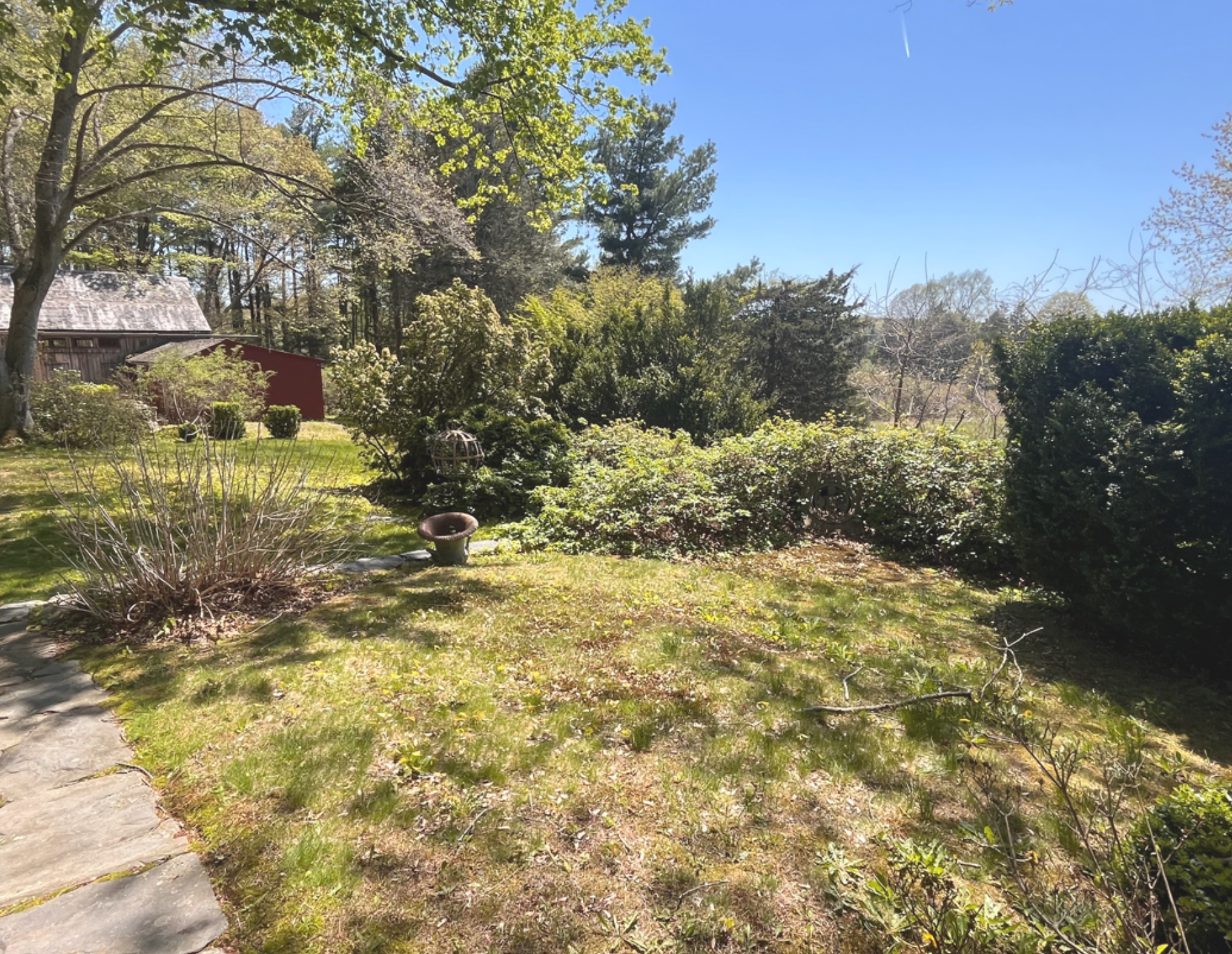
The landscape remains an essential part of that narrative. While the property today encompasses 47 acres, it was originally several times larger, stretching toward the Connecticut River. Preserved pastures lie directly to the west of the house, with gardens and wooded areas extending beyond. This broader setting reinforces both the rural isolation that once provided refuge and the expansive sense of possibility that Palmer and Metzger created within it.
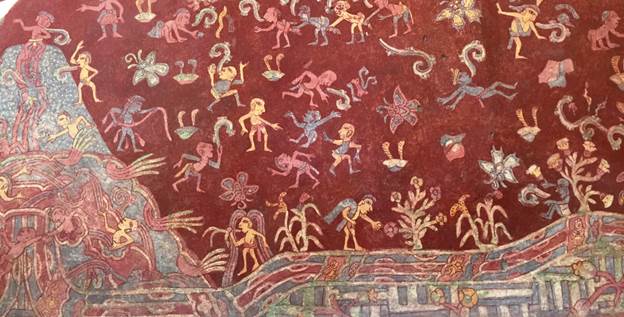
Our approach embraces these interwoven histories by prioritizing storytelling that is both specific and inclusive. The Palmer–Warner House will interpret the site through the lens of Palmer and Metzger’s lives as 20th-century gay men, while widening the frame to include the broader history of the LGBTQ+ community in Connecticut. At the same time, it acknowledges other marginalized voices connected to the land, including indigenous cultures, to recognize that no single narrative stands alone.
(c) Pirie Associates Architects, Palmer-Warner House, Connecticut Landmarks
In doing so, the property becomes more than a preserved house museum. It becomes an evolving, intersectional storytelling site that spans centuries and invites reflection across time. Here, architecture and landscape serve as vessels for memory, holding stories of resilience, identity, and care. These are the stories that shape our cultural fabric, and they deserve to be made visible, legible, and accessible.
At its core, this work reflects Pirie Associates’ broader commitment to justice, equity, and inclusion in the built environment. Preservation for us is about honoring the full breadth of human experience embedded within them. At the Palmer–Warner House, that means highlighting histories that have too often remained unspoken, and creating spaces where those histories can be experienced with clarity, empathy, and respect.